-
Continue reading →: The Northwestern Federal District of Russia: Economic Dynamics and Regional Asymmetries after 2022
The article analyzes the socio-economic development of Russia’s Northwestern Federal District (NWFD) after 2022 against the backdrop of sanctions pressure, structural transformation, and shifting national spatial-development priorities. It examines how the district’s economy has adapted to external shocks through changes in industrial production, investment patterns, and inflation dynamics, while highlighting…
-
Continue reading →: Arctic as a point of convergence between Russian and Chinese interests: Emerging trends and constraints in 2025
The article examines the evolving dynamics of Russia–China cooperation in the Arctic in 2025, with a focus on the institutional, strategic, and economic dimensions of their interaction. It shows how Moscow and Beijing are tactically converging in joint projects, governance mechanisms, and the integration of the Northern Sea Route (NSR)…
-
Continue reading →: Arctic in Russia’s Strategic Agenda: Programs, Initiatives, and Realities of 2025
The article analyzes changes in Russia’s Arctic policy between 2022 and 2025, focusing on its institutional, legislative, and economic dimensions. It explores how the state has shifted from an agenda primarily centered on resource extraction and transportation infrastructure towards a more comprehensive approach, incorporating long‑term planning, environmental priorities, and measures…
-
Continue reading →: Russia’s Presidential Directive 2025 as Institutional Innovation: Arctic Development under Strategic Pressure
By 2025, Russia’s Arctic governance has entered a new institutional phase, shaped by a growing emphasis on programmatic control, regional integration, and climate-conscious development. The 2025 Presidential Directive, issued in the context of the President’s visit to Murmansk, consolidates earlier fragmented policies into a unified framework that prioritizes Arctic agglomerations,…
-
 Continue reading →: The New Policy Framework for the Sustainable Development of Indigenous Peoples in Russia: Strategic Shifts in the Arctic Context
By 2025, Russia’s Arctic policy has undergone a significant transformation in response to international isolation and sanctions. The new strategy, presented in April 2025 and reinforced at the Murmansk Forum, prioritizes internal development, centralized governance, and the mobilization of national resources. At the core of this shift is the ambition…
-
 Continue reading →: Rare Earth Metals: Between External Dialogue and Russia’s Internal Strategy
Rare earth elements (REEs) are becoming a critical component of geopolitical competition and industrial development worldwide. In 2025, amid growing global demand and rising tensions between major powers, Russia sought to position itself as a key player in the REE market. While negotiations with the United States hinted at potential…
-
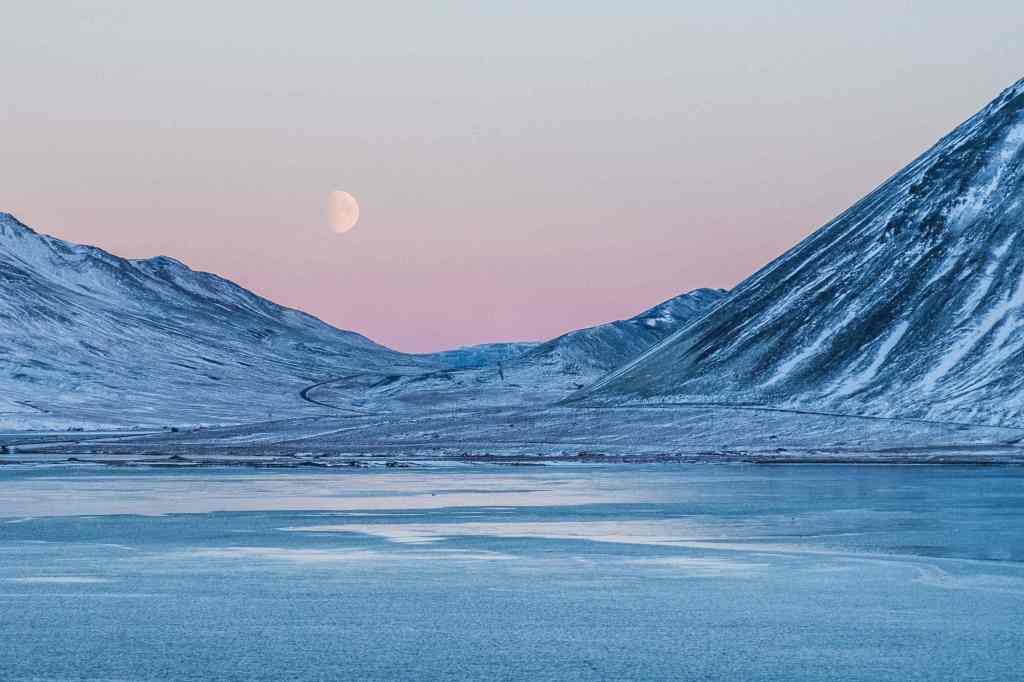 Continue reading →: The Arctic in Flux: Strategic Transformations and Implications for Finland
The geopolitical situation surrounding the Arctic is rapidly changing. By 2025, the region has become a pivotal point in global strategic competition, where the interests of the United States, China, and Russia increasingly intersect and collide. The Arctic is no longer perceived exclusively as a frontier of untapped resources —…
-
 Continue reading →: Russia’s Federal Budget Revision 2025: A Strategic Response to External Pressures
On 30 April 2025, the Russian government approved amendments to the federal budget in response to a deteriorating external environment, notably falling oil prices and rising inflation. The revised fiscal framework includes lower projected revenues—particularly from oil and gas—and increased spending, resulting in a wider budget deficit. The government’s response…
-
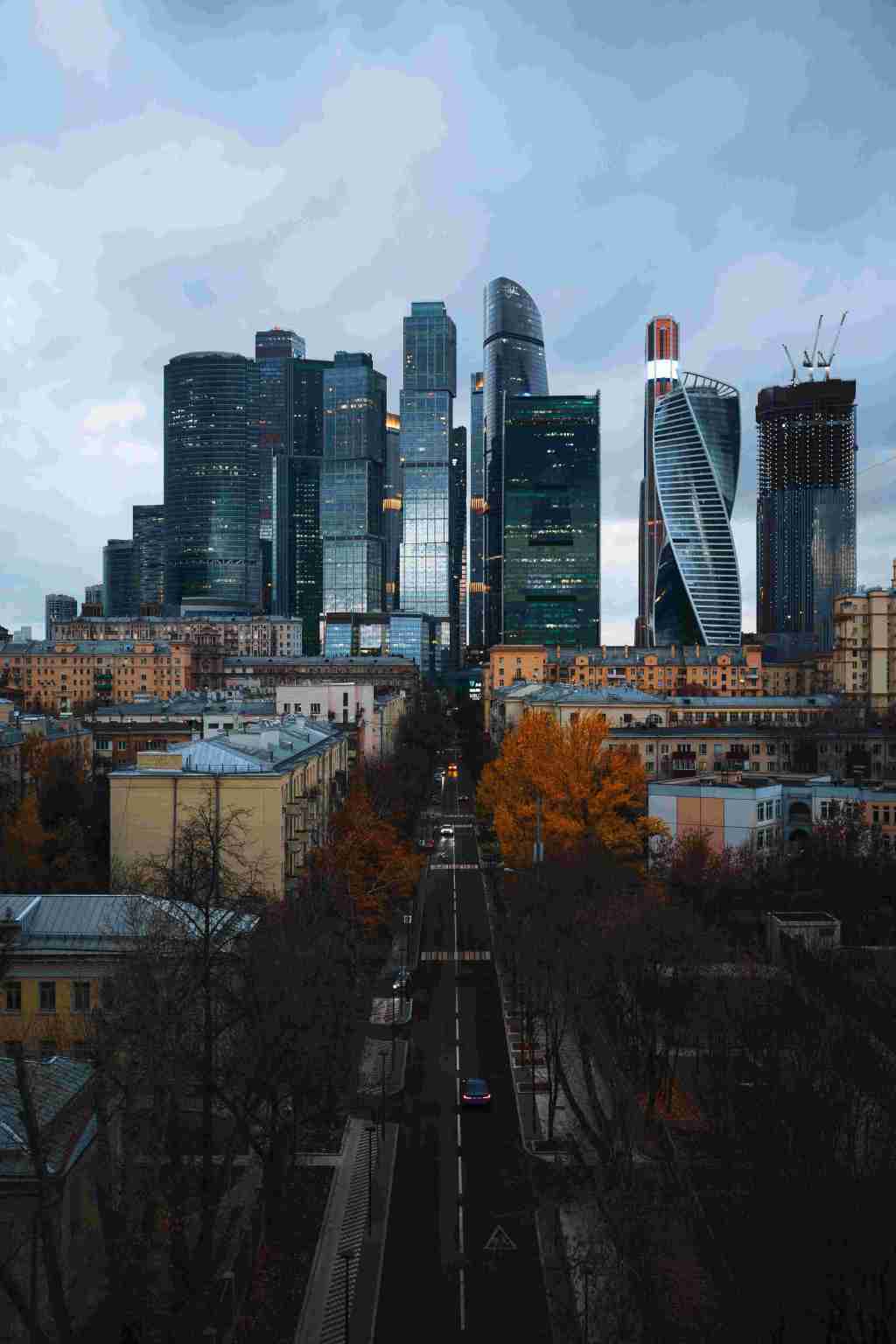 Continue reading →: Reality and Assessment of the Russian Economy in Spring 2025: Data and Independent Opinions
This article provides an independent analysis of Russia’s macroeconomic landscape as of spring 2025. It explores the interplay of structural weaknesses, fiscal imbalances, and external constraints under the pressure of sustained sanctions and militarized economic policy. Drawing on official data and expert assessments, the report outlines the mounting inflation, declining…
Hello!
I’m Sergei Gladkov

Welcome to my website, where I explore the economic, environmental, and geopolitical transformations shaping the future of the North.
 The economy of the North - and Beyond